The Budapest Event of SustiBridge challenges participants to reimagine Europe
BUDAPEST, 26. 05. 2026
What will Europe look like in 2035, and how can today’s communities prepare for the social and environmental challenges ahead? These questions stood at the centre of the 2nd international event of the SustiBridge project, hosted in Budapest between May 26–28, 2026.
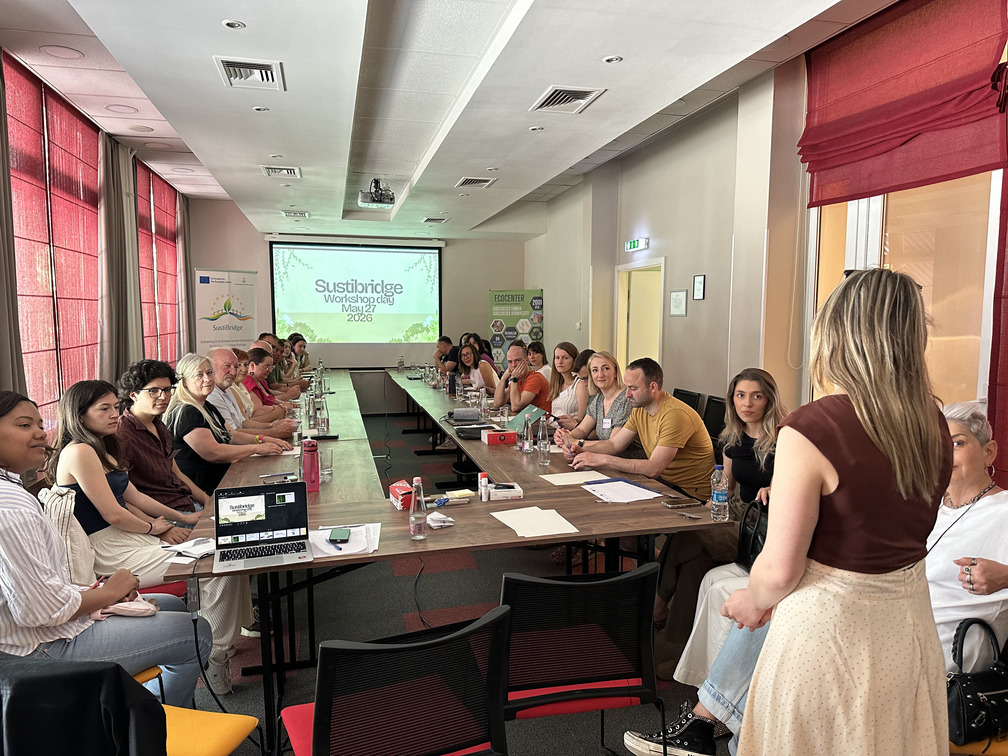
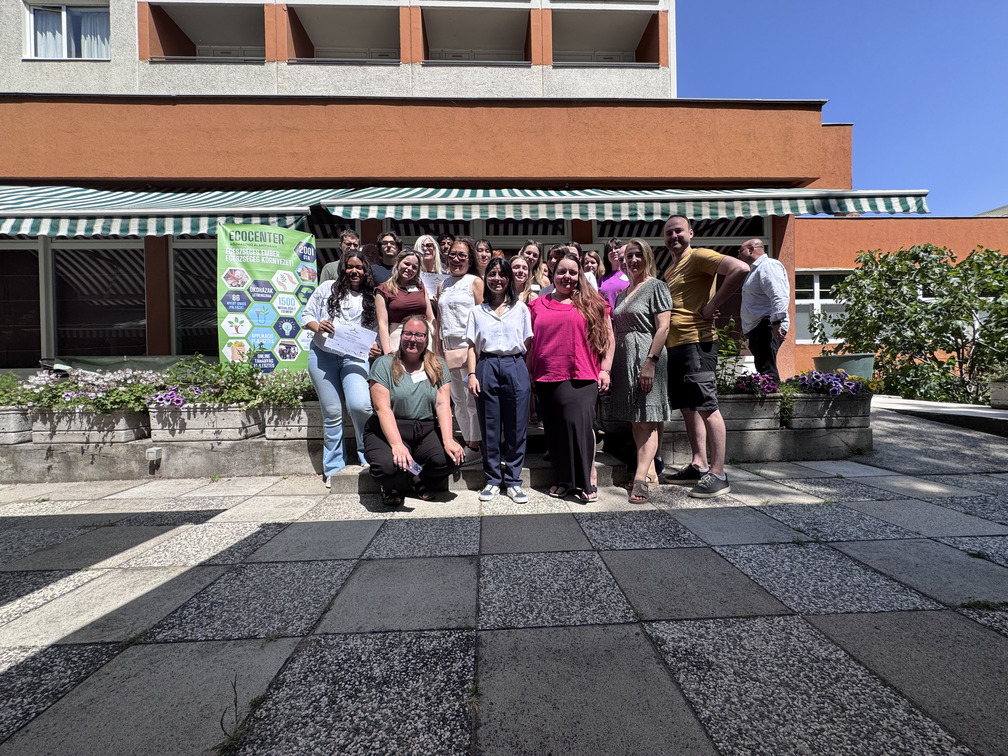
Organized by the Hungarian partner Ecocenter Alapítvány, the three-day gathering brought together 41 participants from eight European countries under the CERV programme. Representatives of civil organizations, youth workers, educators, and community experts worked side by side to explore how sustainability, inclusion, and active citizenship can shape Europe’s future.
A creative leap into the future
The highlight of the event was an intensive international workshop where participants were invited to “travel” mentally to the year 2035 and develop innovative responses to future societal and environmental crises.
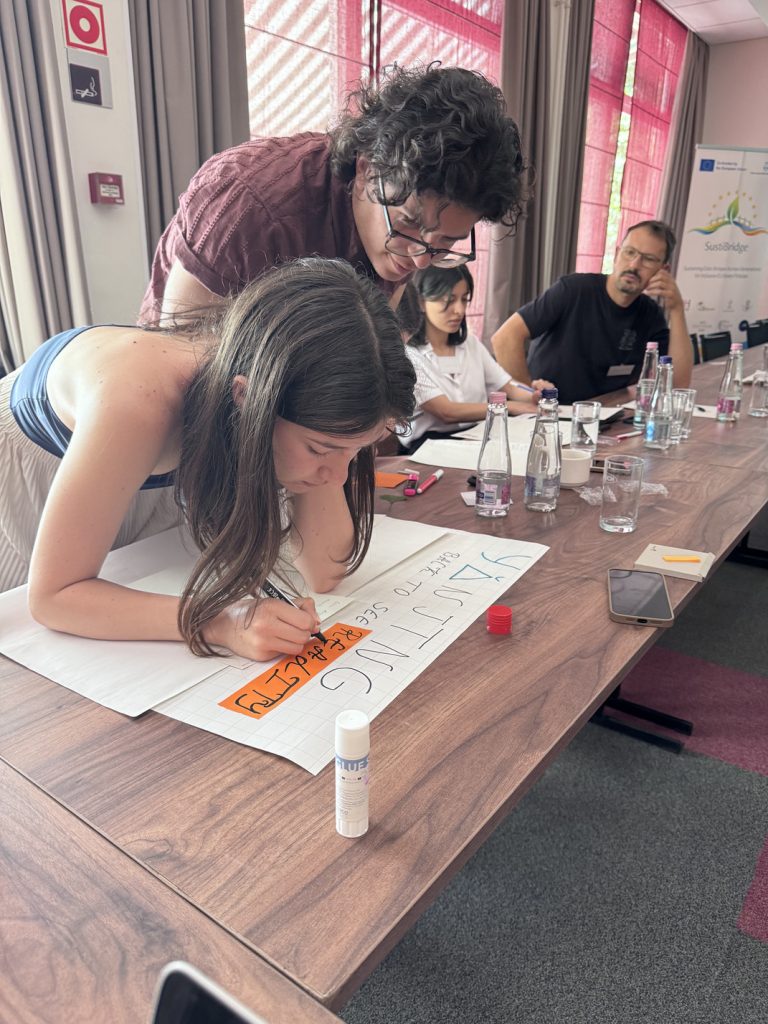
Working in multicultural “super teams,” participants focused on different vulnerable target groups and key European challenges, including social exclusion, environmental degradation, access to resources, and community resilience. Each group was tasked with designing practical but visionary sustainability concepts capable of creating a strong, long-term social impact.
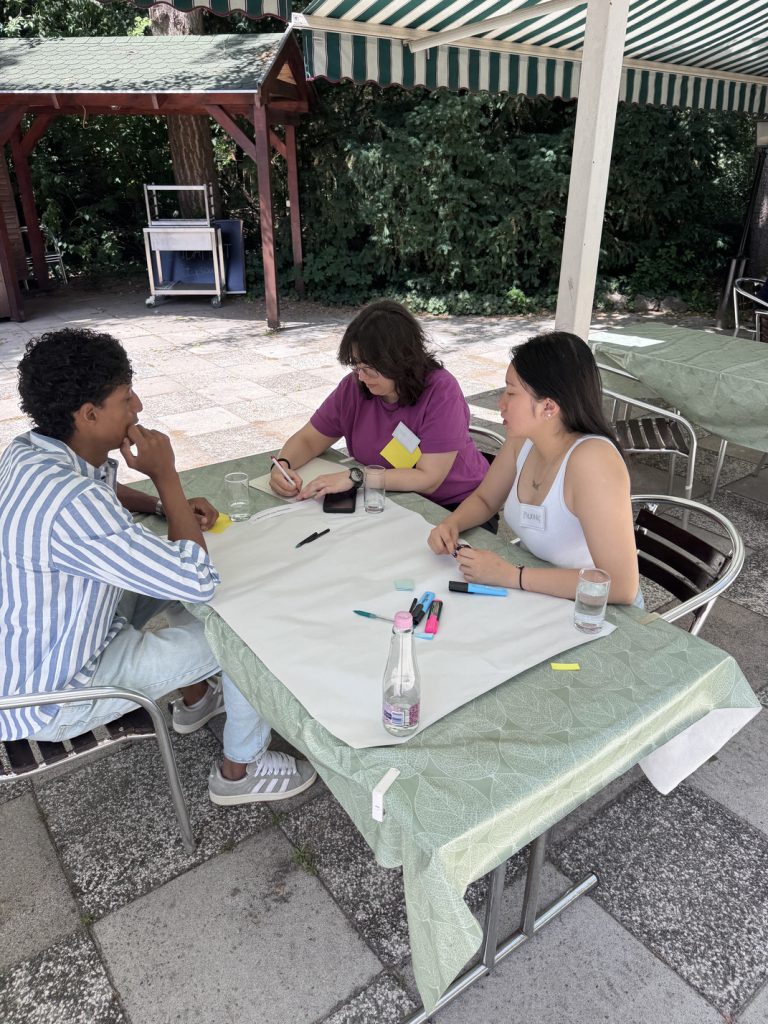
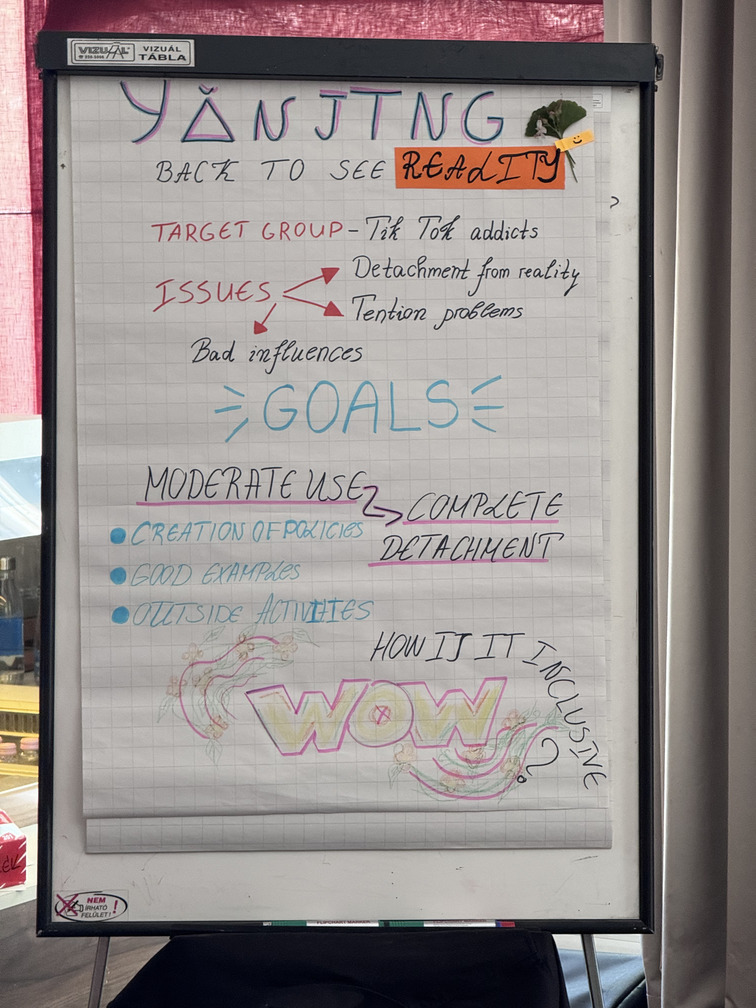
Unlike many modern conferences dominated by digital presentations, the workshop intentionally encouraged participants to use traditional and interactive methods. Teams developed ideas on flipcharts, created hand-drawn visual concepts, and presented scenarios through roleplay exercises. This approach helped participants think more creatively, communicate directly, and strengthen teamwork across cultures.
Preparing for real-world challenges
Beyond creativity, the workshop also emphasized realistic strategic thinking. Teams had to prepare contingency plans for potential financial risks, budget reductions, and unexpected social challenges that could affect the implementation of their ideas in the future.
This exercise highlighted the importance of adaptability and long-term planning in sustainability projects. Participants demonstrated strong empathy, practical problem-solving skills, and a shared willingness to create solutions that leave no community behind.
International cooperation and shared learning
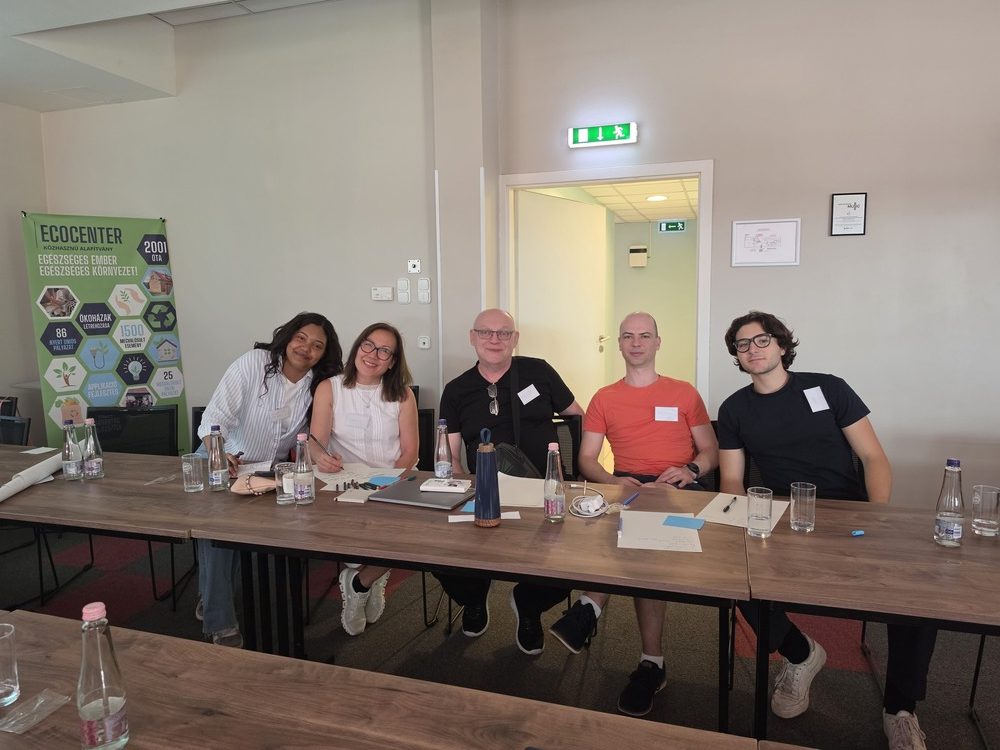
The event also provided an important opportunity for partner organizations from across Europe to strengthen cooperation and exchange experiences. Informal discussions and collaborative sessions focused on how sustainability initiatives can better connect environmental goals with social solidarity and local community needs.
Participants repeatedly emphasized that international cooperation remains one of the strongest tools for addressing complex European challenges. The diversity of perspectives and cultural backgrounds contributed to richer discussions and more innovative ideas throughout the programme.
Looking ahead
At the closing session, organizers highlighted that the SustiBridge project is not only about sustainability, but also about building bridges between people, sectors, and countries.
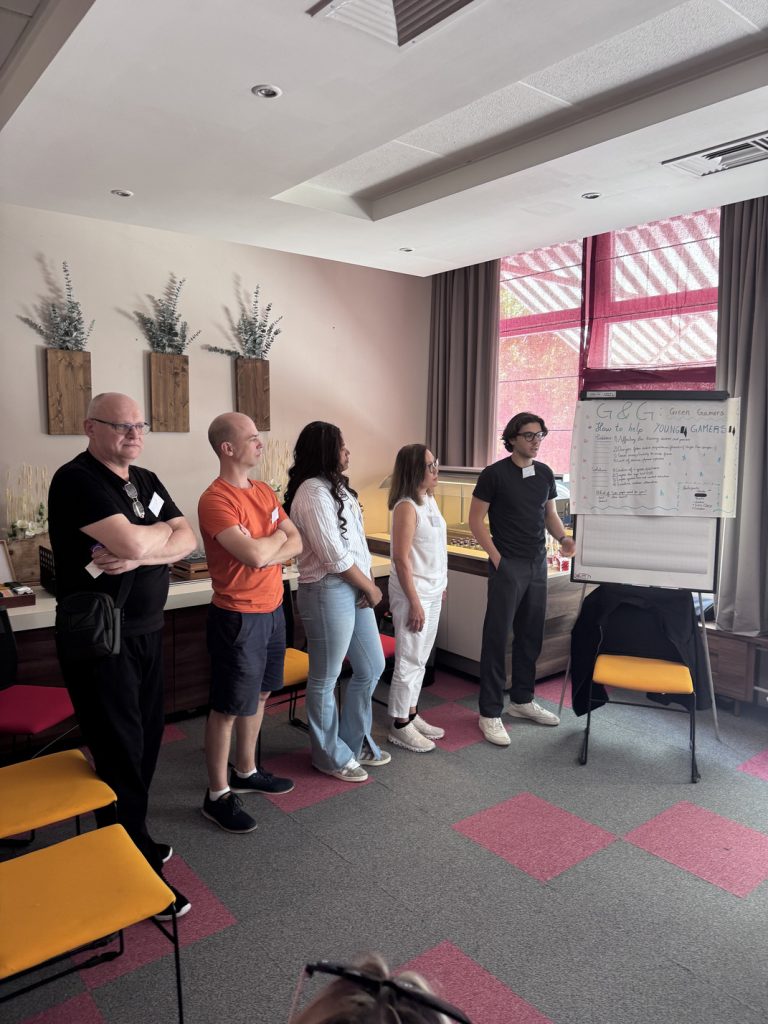
Thanks to the hospitality and organization of Ecocenter Alapítvány, participants left Budapest with new professional connections, fresh inspiration, and practical knowledge on combining nature, technology, and social responsibility in future community initiatives.
As SustiBridge continues across Europe, the Budapest event demonstrated that meaningful change begins when people come together with creativity, openness, and a shared vision for a more inclusive future.