Novo mesto Hosts International Summit to Tackle the “Digital Divide” in the Green Transition
NOVO MESTO, 26. 03. 2026
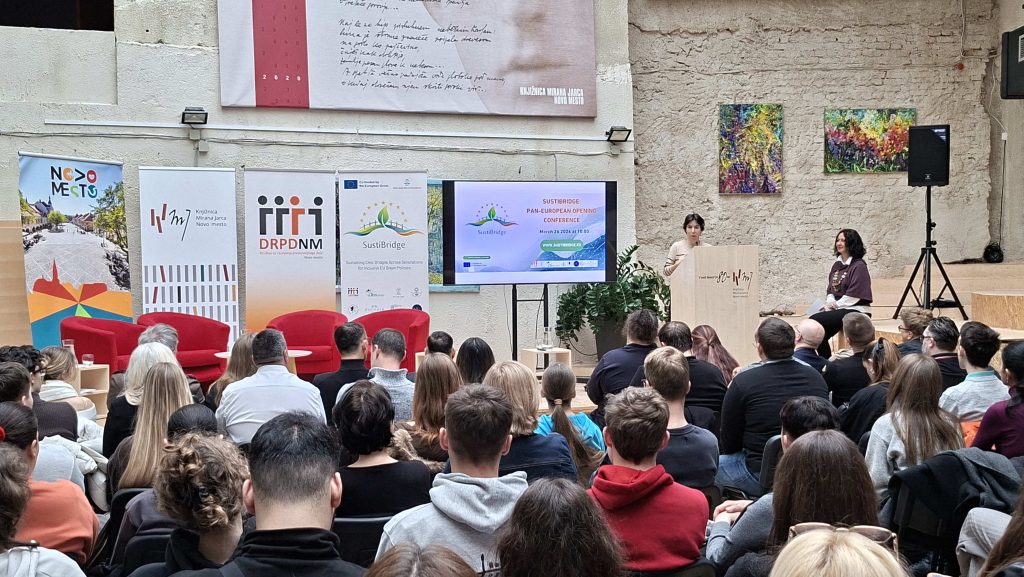
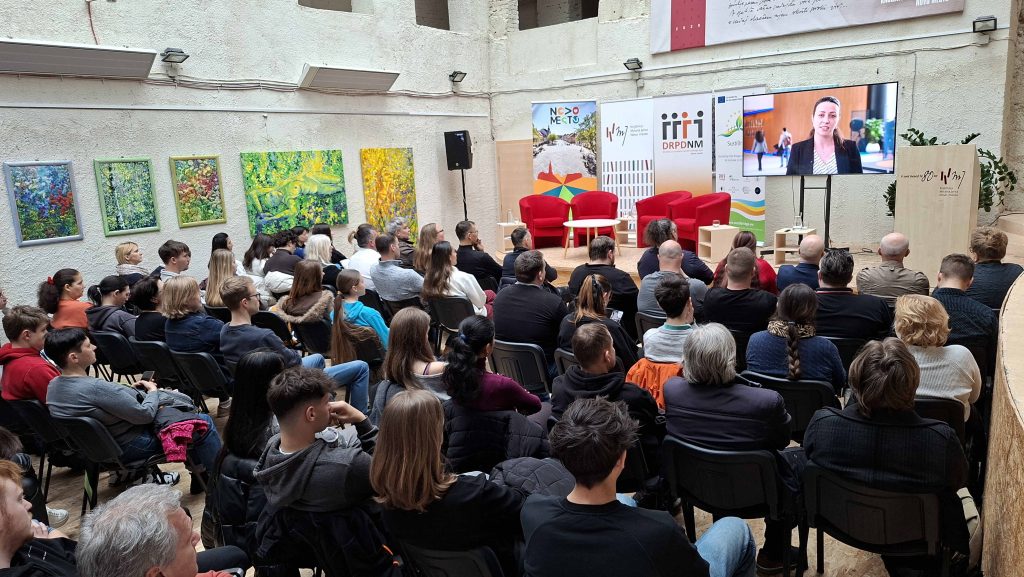
As European cities race toward a “green and digital” future, a critical question remains: who is being left behind? This was the central theme of the international conference held on Thursday, March 26, 2026, at the Miran Jarc Library, where over a hundred experts, policymakers, and residents gathered to launch the SustiBridge initiative.
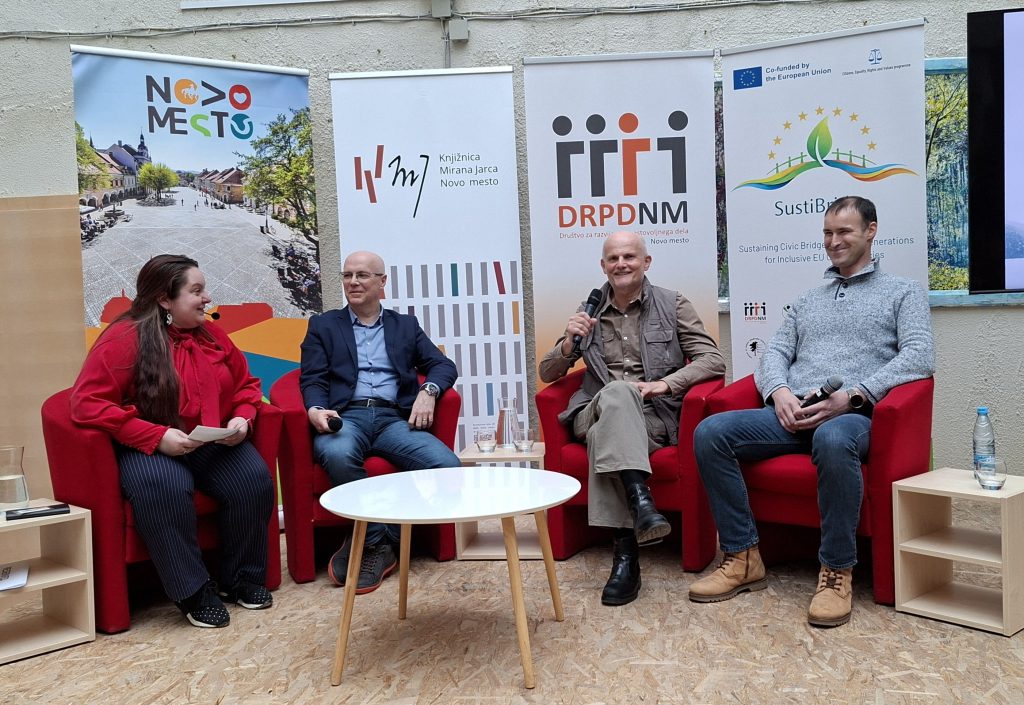
The event, organized by the Association for Developing Voluntary Work Novo Mesto (DRPD), brought together representatives from eight European countries to bridge the gap between high-level urban strategies and the daily reality of the city’s most vulnerable residents.
A Vision of an Inclusive “Smart City”
The conference opened with a clear message: technology must serve the people, not the other way around. Peter Geršič, Head of the Office for Digital and Sustainable Transition at the City Municipality of Novo Mesto, outlined the city’s “Smart & Green” roadmap toward 2030.
“Our goal is to transform Novo Mesto into a healthy and inclusive community,” Geršič stated. He highlighted that while the city is pushing for digital efficiency through systems like SITIUM, it remains committed to maintaining traditional communication channels—such as in-person visits and paper-based services—to ensure that those without digital skills are not excluded from public life.
European Parliament Member Irena Joveva supported this vision via video link, emphasizing that digitalization has no true value if it creates new barriers. “It must be a tool that breaks down walls and respects the dignity of every individual,” she noted.
The Reality on the Ground: Beyond the Smartphone
The highlight of the morning was a provocative roundtable discussion that moved beyond technical jargon to address real-world obstacles.
- The Barrier of Fear: Roman Kapš, a veteran computing expert, spoke about the psychological barriers faced by the elderly. He warned that the rapid pace of technology often leaves retirees feeling isolated. “Successful digital inclusion requires more than just an app; it requires immense empathy and constant support,” Kapš explained.
- The “Last Ten Meters”: Matej Auguštin, a top-level athlete who is blind, reminded the audience that a city is only truly “smart” if it is accessible to everyone. He pointed out how “smart” solutions often fail at the entrance of buildings or at touch-screen terminals, calling for more inclusive design.
Afternoon: Strategic Planning and Local Heritage
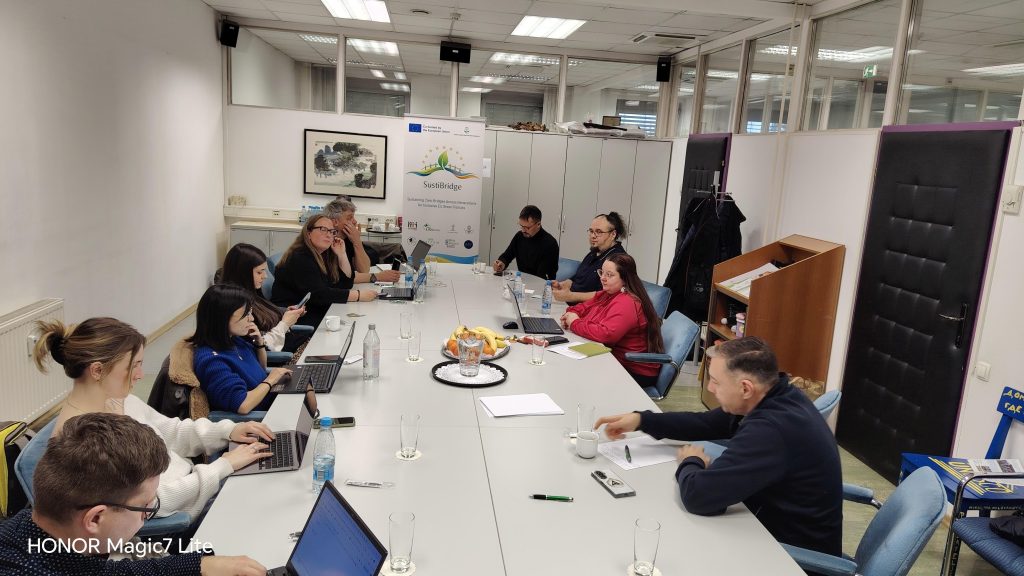
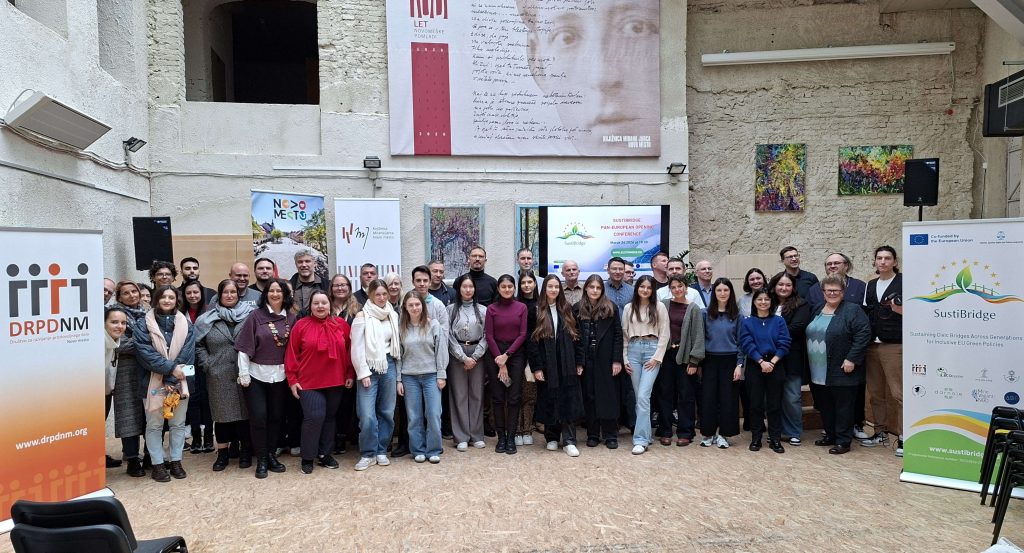
The afternoon session shifted focus toward international cooperation and the long-term sustainability of the project. Representatives from Slovenia, Hungary, Greece, Bulgaria, Croatia, Lithuania, Italy, and Belgium convened for a strategic partner meeting.
The partners focused on creating an operational roadmap to ensure that the project’s findings are translated into actionable policies across the EU. Key topics included:
- Citizen-Driven Policies: Empowering residents to become active co-creators of local green and digital agendas.
- Risk Management: Identifying and solving potential barriers that might prevent vulnerable groups from participating in the digital transition.
The day concluded with a guided tour of Novo Mesto’s historic center. For the international guests, this was an opportunity to see how the city integrates its rich cultural heritage with modern sustainable mobility solutions, such as the revitalized city core and pedestrian-friendly zones.
A Promise for 2030
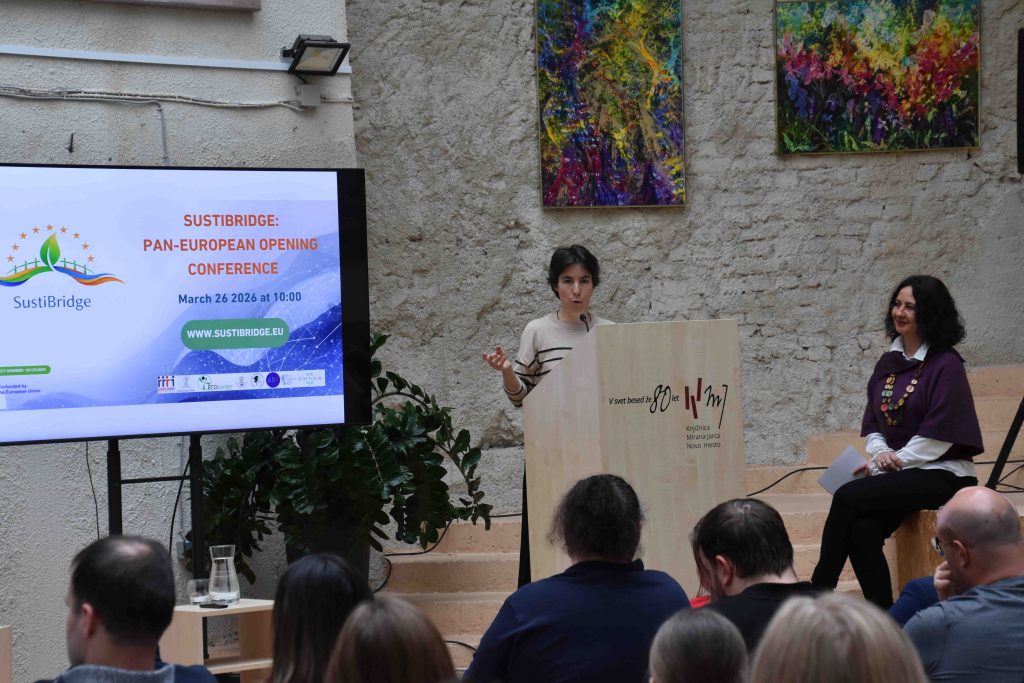
Ester Snedec, the project coordinator, concluded the event by stressing the importance of these “civil bridges.” “We are here to ensure that the green transition is not just a privilege for the tech-savvy, but a tangible improvement in the quality of life for every citizen.”
As the SustiBridge initiative continues its work across Europe, the message from Novo Mesto is clear: the future of our cities must be as inclusive as it is green.
